

Lake Placid Landscape Services
Fall is the perfect time to prepare your yard for the seasons ahead. Sign up now for our autumn landscape services and enjoy a beautifully maintained property all year round!
Landscape Services Tailored for Lake Placid, Florida
Your Landscape, Our Expertise — Right Here in Lake Placid
Lake Placid, Florida, known as the "Town of Murals," sits in the heart of Highlands County surrounded by a stunning chain of freshwater lakes, including Lake June-in-Winter, Lake Placid, and Lake Grassy. This unique geography means many residential properties contend with sandy, well-drained soils that struggle to retain moisture during the intense summer heat and prolonged dry spells typical of Central Florida's subtropical climate. Neighborhoods near Lake Clay and along the shores of Lake Istokpoga often face additional challenges with soil erosion on sloped lakefront lots, while mature live oaks and towering slash pines throughout established areas like Placid Lakes and Sun 'N Lake create heavily shaded yards where standard turf grasses can thin out and struggle. Understanding these hyper-local conditions is what sets our services apart from generic lawn care providers.
Seasonal weather patterns in Lake Placid demand a proactive approach to landscape management. The rainy season from June through September brings heavy afternoon downpours that can promote fungal diseases and rapid weed growth, while the cooler, drier winter months require careful irrigation planning to prevent drought stress in warm-season grasses like St. Augustine and Bahia. Properties near Tooke Lake and the scenic areas around Archbold Biological Station also benefit from landscape strategies that respect the native scrub habitat unique to the Lake Wales Ridge. Whether you're maintaining a manicured lawn in a lakeside community or managing a larger rural lot off US-27, our team tailors every service plan to the specific soil, shade, and moisture conditions of your property. We're proud to serve the Town of Lake Placid and its surrounding communities with lawn care solutions designed for the way things actually grow here — not somewhere else.
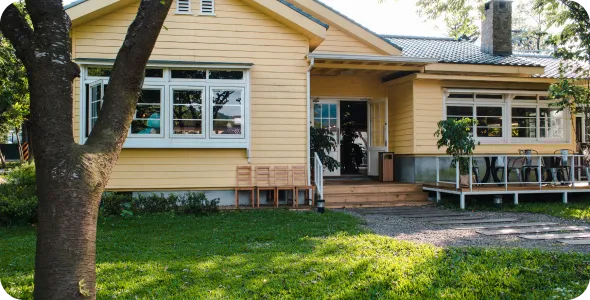
Our Lake Placid Landscaping & Yard Care Services
Lake Placid Gardening Services
Lake Placid Yard Clean Up
Why Choose Lake Placid Landscape Services
Lake Placid Homeowners Trust Us

Years of Local Landscape Expertise
-
Competitive and Transparent Pricing
-
Licensed and Professional Team
-
100% Satisfaction Guarantee
-
Personalized Service for Every Property
-
Reliable Year-Round Maintenance
-
Eco-Friendly Landscape Solutions
Contact Your Local Lake Placid Public Works or Solid Waste Department for Green Waste Info
Lake Placid, located in Highlands County within Florida's Central Inland Lake Region, relies on coordinated yard waste management to protect its surrounding lakes and wetlands. Residents should follow Highlands County's curbside vegetative debris collection schedule, which typically requires yard waste to be bundled in lengths no longer than four feet, placed at the curb separate from household trash, and never bagged in plastic. Accepted materials include grass clippings, palm fronds, tree trimmings, and shrub cuttings. The Highlands County Solid Waste Management facility on Placid Lakes Boulevard accepts bulk green waste from residents with proof of residency. Commercial landscapers must use approved disposal facilities and may be subject to additional fees. Storm debris from tropical events follows special collection protocols announced by the county. Blowing or dumping clippings, fertilizer granules, or sediment into streets, swales, retention ponds, canals, or storm drains is prohibited under the Clean Water Act and local MS4 stormwater rules. Grasscycling—leaving clippings on the lawn—is encouraged to reduce waste volume and return nutrients to the soil.
Highlands County Solid Waste Management
451 Skipper Road, Sebring, FL 33870
Phone: (863) 655-6400
Official Website: Highlands County Solid Waste Management
Lawn Care Regulations & Permits in Lake Placid, FL
Professional lawn care in Lake Placid must comply with multiple layers of Florida law. Under Florida Pesticide Law - Chapter 487, all commercial pesticide applicators must hold valid licensure through the Florida Department of Agriculture and Consumer Services - Pesticide Applicator Certification and Licensing. Pest control operators require separate certification under Florida Department of Agriculture and Consumer Services - Licensing and Certification. Commercial fertilizer applicators must hold a Limited Certification for Urban Landscape Commercial Fertilizer Application per Florida Statutes 482.1562, and must follow the Urban Turf Fertilizer Rule for Home Lawn Fertilization. Under Florida Statutes 403.9337, fertilizer containing nitrogen or phosphorus should not be applied during the summer rainy-season blackout period typically observed from June through September in many Central Florida jurisdictions. Highlands County encourages slow-release nitrogen sources (at least 50% slow-release) and prohibits fertilizer application within setback zones near lakes and waterways. Irrigation in Lake Placid falls under the South Florida Water Management District - Landscape Irrigation rules, which enforce a two-day-per-week watering schedule with restrictions on watering hours (no irrigation between 10 a.m. and 4 p.m.). Rain sensor shutoff devices are required on all automatic irrigation systems. Noise ordinances in Highlands County generally restrict power equipment operation to daytime hours; commercial operators should confirm permitted start times before servicing residential areas. A local business tax receipt and proof of liability insurance are required for commercial lawn care operations.
Florida Department of Agriculture and Consumer Services
2005 Apalachee Parkway, Tallahassee, FL 32399
Phone: (850) 488-3022
Official Website: Florida Department of Agriculture and Consumer Services
South Florida Water Management District
3301 Gun Club Road, West Palm Beach, FL 33406
Phone: (561) 686-8800
Official Website: South Florida Water Management District
What Neighborhoods Do We Serve in Lake Placid, FL?
Lake Placid's landscape is defined by its Central Florida Inland Lake Region setting—deep sandy Entisol and Spodosol soils, a high water table near lakeshores, rapid nutrient leaching, and a network of freshwater lakes that shape every neighborhood's lawn care needs. We serve five to seven distinct areas, each with unique considerations:
- Downtown Lake Placid / Town Center: Older lots along Interlake Boulevard and Main Avenue feature mature live oaks and established St. Augustinegrass lawns. Shade management, root competition, and careful fertilizer placement near Lake Placid's shoreline are priorities. Properties here often have compacted fill soils from decades of development.
- Placid Lakes: This large subdivision south of town features sandy flatwoods soils with rapid drainage and nutrient leaching. Bahiagrass and St. Augustinegrass dominate. Stormwater retention ponds throughout the community require fertilizer setback compliance and careful mowing of pond banks.
- Lake June-in-Winter Lakefront Properties: Premium waterfront homes on Lake June-in-Winter demand high-visibility turf—typically Floratam St. Augustinegrass or zoysiagrass. High water tables, lake-edge erosion, and strict fertilizer setbacks from the shoreline define service strategies. Irrigation calibration is critical to prevent runoff into the lake.
- Sun 'N Lake of Sebring (western sections near Lake Placid): This master-planned community features newer subdivision fill soils, HOA landscape standards, and extensive stormwater infrastructure. St. Augustinegrass is dominant, with chinch bug pressure elevated in full-sun lots. Reclaimed water may be available in some sections.
- Sylvan Shores: Located along Lake Istokpoga's western shore, this area has sandy soils with organic pockets near the lakeshore. Bahiagrass is common in lower-input yards, while St. Augustinegrass serves higher-maintenance properties. Proximity to Lake Istokpoga demands strict adherence to fertilizer and pesticide setback rules.
- Country Club of Sebring / Golf Course Communities: Bermudagrass and zoysiagrass appear in premium settings near golf courses. These properties often have imported fill soils, irrigation systems on reclaimed water, and HOA-enforced turf standards requiring consistent mowing heights and weed-free appearance.
- Rural Residential / US 27 Corridor: Larger lots along US 27 and surrounding agricultural areas often feature bahiagrass for lower-input maintenance. Sandy soils with very low organic matter require careful fertility programs to avoid nutrient leaching into the regional groundwater system.
Partnering With Lake Placid's Stormwater, Environmental, or Sustainability Office
Lake Placid and Highlands County coordinate stormwater management to protect the town's signature freshwater lakes, wetlands, and the broader Kissimmee River watershed. Compliance with Florida DEP - Municipal Separate Storm Sewer Systems (MS4) and the Florida DEP - NPDES Stormwater Program guides local practices. Sustainable lawn care aligned with Florida-Friendly Landscaping™ Program principles includes:
- Maintaining proper mowing heights to reduce runoff and promote deep root growth
- Grasscycling to return nutrients and reduce green waste
- Using micro-irrigation in landscape beds to minimize overspray
- Installing and maintaining rain sensor shutoff devices on all irrigation systems
- Applying fertilizer only outside rainy-season blackout windows and away from water body setback zones
- Selecting native and adapted plants for buffer zones near lakes and retention ponds
- Reducing phosphorus inputs where soil tests indicate adequate levels
Florida Department of Environmental Protection
2600 Blair Stone Road, Tallahassee, FL 32399
Phone: (850) 245-2118
Official Website: Florida Department of Environmental Protection
Highlands County Natural Resources Department
4344 George Boulevard, Sebring, FL 33875
Phone: (863) 402-6545
Official Website: Highlands County Natural Resources
Top Lake Placid Lawn Problems (and How We Solve Them)
Lake Placid's Central Inland Lake Region setting produces a specific set of turf challenges driven by deep sandy soils, summer rainfall, and lake-influenced humidity. Based on UF/IFAS Extension - Lawn Maintenance and UF/IFAS Gardening Solutions - Lawns guidance:
- Chinch Bugs in St. Augustinegrass: The most damaging insect pest in Lake Placid's dominant turf. Damage appears as irregular yellowing patches in full-sun areas during hot, dry periods. Solutions include proper irrigation (deep and infrequent), maintaining mowing height at 3.5–4 inches, and targeted insecticide applications by licensed applicators when thresholds are met.
- Nutrient Leaching in Sandy Soils: Lake Placid's deep Entisol sands drain rapidly, pulling nitrogen and potassium below the root zone. Slow-release nitrogen fertilizers (minimum 50% slow-release) applied at UF/IFAS-recommended rates reduce leaching and protect groundwater and nearby lakes.
- Large Patch (Rhizoctonia): This fungal disease affects St. Augustinegrass and zoysiagrass during cool, wet transitions in fall and spring. Avoiding late-season nitrogen applications and improving drainage reduce severity. Fungicide applications should follow UF/IFAS thresholds.
- Dollarweed and Sedge Invasion in Wet Zones: Properties near retention ponds, lakeshores, and low-lying areas develop persistent dollarweed and sedge problems driven by overwatering or poor drainage. Reducing irrigation frequency and improving soil drainage are the primary cultural controls.
- Mole Crickets in Bahiagrass: Bahiagrass lawns in Placid Lakes and rural areas are vulnerable to tunneling mole crickets, especially in spring. Soap-flush monitoring and properly timed nematode or insecticide treatments provide effective control.
- Nematode Damage in Sandy Soils: Root-knot and sting nematodes thrive in Lake Placid's sandy profiles, causing thinning and decline in St. Augustinegrass. Soil sampling through the UF/IFAS Extension nematode assay lab confirms diagnosis. Resistant cultivars and organic matter amendments help manage populations.
- Drought Stress During Spring Dry Season: March through May often brings extended dry periods before summer rains arrive. Proper irrigation scheduling within South Florida Water Management District restrictions—watering deeply on permitted days—prevents turf decline without wasting water.
What Makes Lawns in Lake Placid Different From the Rest of Florida?
Lake Placid sits in USDA Hardiness Zone 9b within Florida's Central Inland Lake Region, and its lawn care reality differs significantly from coastal and northern Florida communities:
- Deep Sandy Soils with Rapid Leaching: Unlike South Florida's calcareous or marl soils, Lake Placid's Entisols and Spodosols drain quickly, requiring slow-release fertility programs to prevent nutrient loss to groundwater
- Freshwater Lake Ecosystem Sensitivity: Surrounded by Lake Placid, Lake June-in-Winter, Lake Istokpoga, and dozens of smaller lakes, every fertilizer and pesticide decision directly affects freshwater quality—unlike coastal communities focused on saltwater estuary protection
- Inland Location Without Salt Stress: Unlike Gulf Coast or Atlantic Coast communities, Lake Placid lawns face no salt spray or tidal flooding, allowing broader turf species selection but increasing vulnerability to inland-specific pests like mole crickets and nematodes
- Moderate Frost Risk: Lake Placid experiences occasional winter freezes that can damage St. Augustinegrass, unlike South Florida's near-tropical conditions but less severe than North Florida's extended dormancy periods
- Strong Summer Rainy Season: June through September brings heavy afternoon thunderstorms that saturate sandy soils, promote fungal disease, and create dollarweed-friendly conditions in low areas
- Bahiagrass as a Viable Lower-Input Option: The inland lake region supports bahiagrass more successfully than coastal areas, providing a drought-tolerant, lower-fertilizer alternative for larger lots and rural properties
- Lake-Oriented Subdivision Design: Many neighborhoods are built around retention ponds and lakeshores, making stormwater pond bank maintenance and fertilizer setback compliance a routine part of lawn care rather than an exception
UF/IFAS Extension Highlands County
4509 George Boulevard, Sebring, FL 33875
Phone: (863) 402-6540
Official Website: UF/IFAS Extension Highlands County
Supporting Local Events in Lake Placid With Lawn Expertise
Lake Placid—known as the "Town of Murals" and the "Caladium Capital of the World"—hosts community events that benefit from professional turf and landscape support:
- Annual Caladium Festival: Supporting grounds preparation at Stuart Park and surrounding venues during this signature July event
- Lake Placid Mural Society Events: Maintaining streetscape turf and landscape beds along the downtown mural corridor
- Toby the Clown Foundation Events: Grounds support for community gatherings at DeVane Park and local venues
- School Athletic Fields: Coordination with Highlands County School District for sports turf maintenance at Lake Placid High School and Lake Placid Middle School
- Parks and Recreation Programs: Supporting turf quality at Stuart Park, Devane Park, and Heron Park along the lakeshore
- Tropical Storm and Hurricane Recovery: Providing vegetative debris removal, downed-limb cleanup, and turf restoration following storm events in coordination with Highlands County Emergency Management
- Community Cleanup and Beautification Days: Partnering with local volunteer groups for lakefront and park landscape improvement projects
Town of Lake Placid
311 West Interlake Boulevard, Lake Placid, FL 33852
Phone: (863) 699-3747
Official Website: Town of Lake Placid
Eco-Friendly Landscaping Backed by Lake Placid's Florida-Friendly and Water-Saving Initiatives
Aligning with Florida-Friendly Landscaping™ Program principles and Best Management Practices for Your Lawn, our approach in Lake Placid emphasizes lake protection and water conservation:
- Smart Irrigation: WiFi-enabled controllers with rain and soil-moisture sensors, zone-by-zone calibration, and compliance with South Florida Water Management District two-day-per-week schedules
- Reduced-Chemical Approaches: Integrated pest management, soil testing before phosphorus application, compost topdressing to build organic matter in sandy soils, and pollinator-friendly plantings in landscape beds
- Nutrient Runoff Prevention: Deflector shields on fertilizer spreaders near lake edges, strict adherence to setback zones, and no application before forecasted heavy rain
- Lower-Emission Equipment: Transition to battery-powered mowers, trimmers, and blowers to reduce noise and emissions in lakefront neighborhoods
- Grasscycling and Local Mulch Reuse: Returning clippings to the lawn and using locally sourced mulch to reduce waste and improve sandy soil moisture retention
- Native and Adapted Plant Selection: Recommending Florida-native shrubs, groundcovers, and wildflowers for buffer zones near lakes and retention ponds to reduce fertilizer and irrigation inputs
- Urban Tree Canopy Support: Preserving and planting shade trees to reduce turf irrigation demand and moderate summer soil temperatures
U.S. Environmental Protection Agency, Region 4
61 Forsyth Street SW, Atlanta, GA 30303
Phone: (404) 562-9900
Official Website: U.S. Environmental Protection Agency, Region 4
National Weather Service - Melbourne Office
421 Croton Road, Melbourne, FL 32935
Phone: (321) 255-0212
Official Website: National Weather Service Melbourne
Proudly Serving These Streets and Areas in Lake Placid
We provide comprehensive lawn care throughout Lake Placid and surrounding Highlands County communities, organized by area:
Downtown / Central Lake Placid:
- West Interlake Boulevard, East Interlake Boulevard, Main Avenue, Oak Avenue, Magnolia Avenue, Dal Hall Boulevard, Park Street, Tower Street
North Lake Placid / US 27 Corridor:
- US Highway 27 North, County Road 29, Lake June Road, Tangerine Drive, Hillcrest Street, Heartland Boulevard
Placid Lakes Subdivision (South):
- Placid Lakes Boulevard, Catfish Creek Road, Goldfinch Road, Kingfisher Road, Heron Road, Ibis Road, Flamingo Road, Pelican Drive, Crane Avenue
Lake June-in-Winter Area (East):
- Lake June Road, Daffodil Road, Camellia Road, Jasmine Road, Gardenia Road, Oleander Drive
Sylvan Shores / Lake Istokpoga (West):
- Lake Istokpoga Drive, Sylvan Shores Drive, Fisherman's Trail, Catfish Creek Road
Sun 'N Lake (Northwest toward Sebring):
- Sun 'N Lake Boulevard, Cortez Boulevard, Granada Boulevard, Majorca Drive
Notable Landmarks and Features:
- Stuart Park, DeVane Park, Heron Park, Lake Placid Memorial Library, Lake Placid High School, Lake Placid Middle School, Caladium Arts & Crafts Co-Op, Lake Placid Tower, Archbold Biological Station (nearby), Lake June-in-Winter Scrub State Park, Lake Istokpoga, Lake Placid (lake), and the historic downtown mural district